
Olympic bumper plates with a 50 mm hole diameter
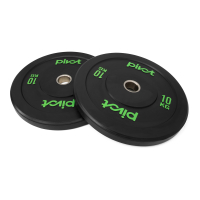
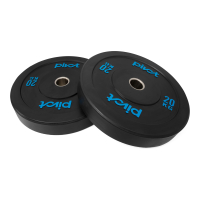
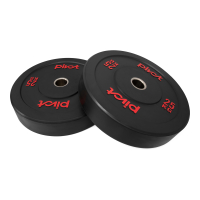
Bumper plates are rubber Olympic weight plates with a 50 mm hole diameter for weightlifting and strength training. Choose different weights or combination sets for a home gym, studio or professional training space.
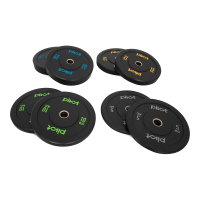
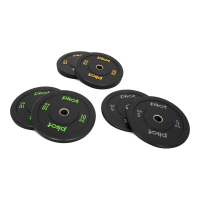
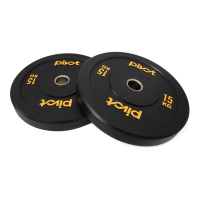
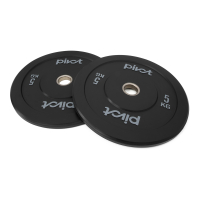
What are bumper plates?
Bumper plates are made mainly from rubber and have a metal centre insert. Their nominal 50 mm hole diameter fits compatible Olympic barbell sleeves. The construction helps absorb impact when a loaded bar is set down or, where permitted, dropped. Actual impact absorption, noise and bounce vary by model.
What exercises are bumper plates used for?
Bumper plates are commonly used for deadlifts, cleans, snatches and other lifts from the floor. Different weights within a range often share the same outer diameter, keeping the bar’s starting height similar. Check the dimensions when combining ranges. They can also be used for squats and presses.
Can you drop bumper plates?
Many bumper plates are designed for repeated impacts, but permitted use varies. Check the plate’s instructions, use a suitable impact-absorbing floor or platform and confirm that the barbell is also suitable. Follow any restrictions on drop height and minimum loading. Avoid unnecessary drops and leave sufficient clear space.
Take care with 5 kg bumper plates
Thin 5 kg bumper plates can be more vulnerable to bending and damage than heavier plates. Do not drop a bar loaded only with thin 5 kg plates unless the manufacturer explicitly permits it. Where instructed, combine them with heavier bumper plates of the same outer diameter. Adding heavier plates does not override the product’s restrictions.
How do they differ from other Olympic plates?
Both bumper plates and conventional Olympic weight plates with 50 mm holes fit the 50 mm system. Bumper plates consist mainly of rubber and usually share an outer diameter across weights within a range. Iron or rubber-coated plates can be thinner and more compact, but are not automatically suitable for dropping.
Which weights do you need?
Heavier plates build up the total load quickly, while a selection of weights gives you more adjustment options. Load both sides evenly, normally using matching pairs. Include the bar’s weight in the total and stay within its load limit.
Single-weight sets or combination sets?
A set of one weight helps you expand an existing collection. A combination set offers several weights for a more varied setup. Check how many plates are included and whether the stated weight refers to one plate, a pair or the entire set. Do not assume that a barbell or collars are included.
Why does plate thickness matter?
Plate thickness and sleeve length determine how many plates fit on the bar. Thinner models may leave more loading space, but do not increase the bar’s load rating. Check both plate dimensions and available sleeve length, leaving enough room to secure the collars.
Which barbell do you need?
Bumper plates with 50 mm holes require a compatible Olympic barbell with 50 mm loading sleeves. Use suitable 50 mm barbell collars to secure the load. They should not be used loose on standard bars with 30 mm loading sections. For dynamic lifts, check the bar’s intended use as well as its diameter.
Storing and checking bumper plates
Store plates dry, away from direct sunlight and clear of walkways, following the manufacturer’s storage instructions. A suitable storage rack for plates with 50 mm holes keeps them organised. Check the rack’s capacity and inspect the rubber and metal inserts regularly for damage or looseness.
Explore all our weight plates and compare bumper plates with conventional Olympic plates with 50 mm holes and standard plates with 30 mm holes.
