
Replacement running belts for treadmills
The running belt is the moving belt on which you walk or run during training. Is it worn, damaged or torn? Here you can find replacement running belts for a range of treadmills. Check your machine’s brand and model before ordering and compare the width, total length and other product specifications.

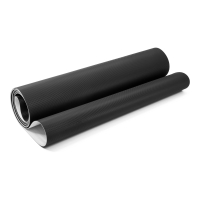


What is a treadmill running belt?
The running belt is the flexible belt driven by the motor around the front and rear rollers. During walking or running, it moves over the running deck. A suitable, correctly adjusted belt is important for smooth, safe movement.
When should you replace a running belt?
Replacement may be needed if the belt is torn, frayed, stretched or heavily worn in places. Other signs include a belt that keeps moving sideways, slips, moves jerkily or can no longer be correctly tensioned. A rough or damaged inner surface can also cause extra friction.
What is the difference between a running belt and a running deck?
The running belt is the moving belt on which you walk or run. The running deck is the fixed board directly beneath it that supports the user. These components work closely together: a damaged deck can accelerate wear on a new belt, while a worn or excessively tight belt can place extra strain on the deck and drive motor.
How do you determine the right size?
Running belt dimensions usually specify the width and full circumference length. This total length is therefore greater than the treadmill’s visible running area. Where possible, measure the removed belt or use the part number and manufacturer’s specifications. Measuring only the width is not enough.
Are running belts universal?
Not every belt with the same dimensions is automatically suitable. Alongside width and length, thickness, inner surface, joining seam and construction may differ. Always check that the product is explicitly intended for your treadmill or fully matches the specifications of the original component.
Check the cause of wear
Before installing a new belt, also check the running deck, front and rear rollers, alignment and tension. Excessive friction may be caused by a damaged deck, incorrect tension or insufficient maintenance. Always follow the manufacturer’s lubrication instructions; not every belt can be treated with the same product.
Installing and adjusting a new running belt
Unplug the treadmill from the mains before dismantling it. After installation, the belt must be centred and gradually adjusted to the correct tension. A loose belt may slip, while an excessively tight belt places extra strain on the rollers, bearings and motor. Test the treadmill at low speed and without a user first.
If you notice wear, also browse our treadmill running decks. For other replacement components, explore our fitness equipment drive system parts.
